
On Being Clutter Blind and What to Do If You Are
If we look at the spaces in our homes, cars, and workplaces that were once clean and tidy but are now cluttered, can we trace our steps to understand how this happened?
The chair in the corner of the bedroom, covered in clothes, might have originally been just a shirt that needed hanging back up.
The growing mound of bubble wrap, packaging paper, and boxes from all the shopping started off as a mailer that needed to be taken to the recycling bin.
The overflowing bag of donations that never made it to the drop-off site has become a free-for-all drop zone for miscellaneous items without homes.
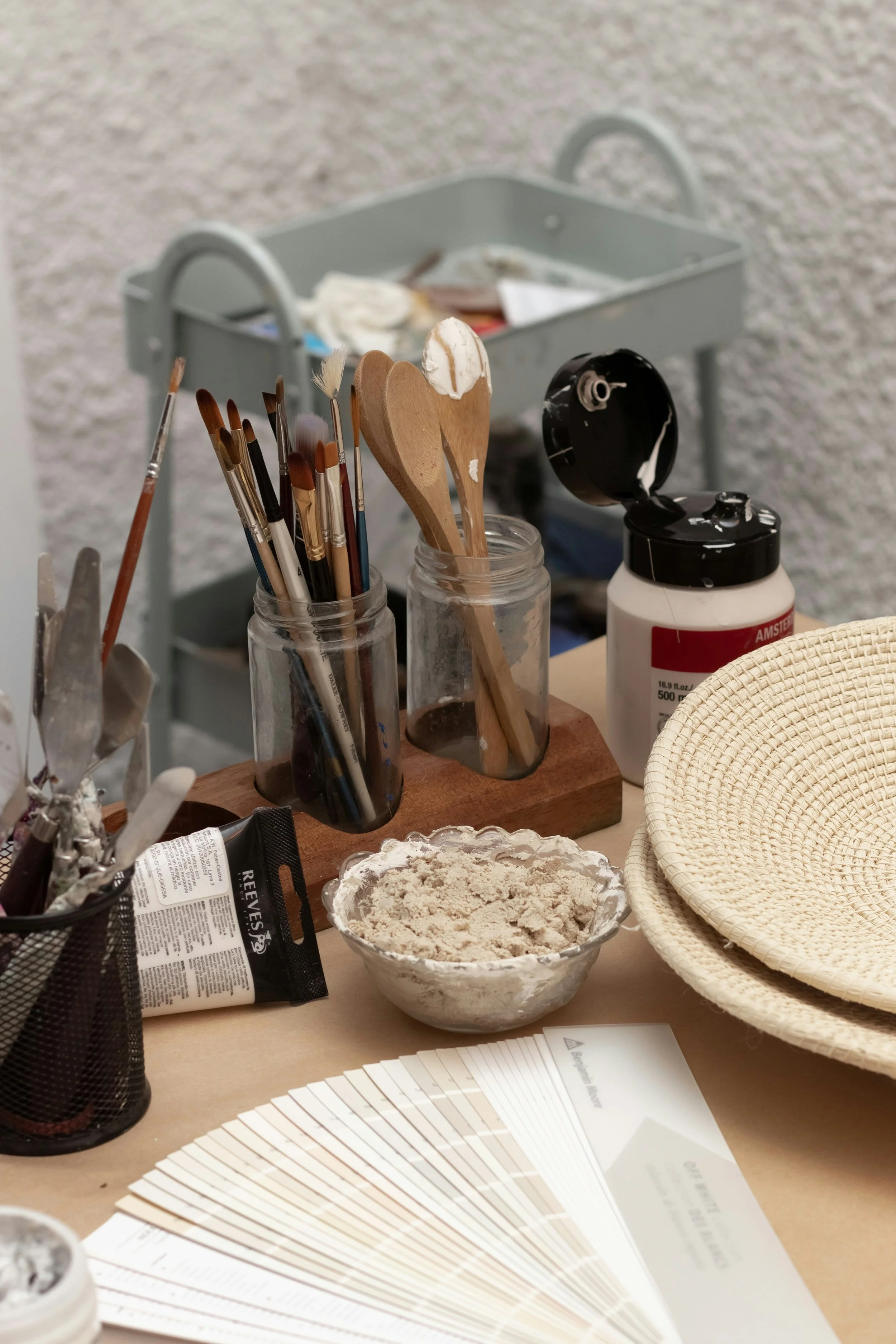
The more we surround ourselves with clutter, the easier it becomes to forget it’s there. It becomes a permanent fixture in the space. Our brains have adapted, and now we no longer notice it’s even there because we've become so used to seeing the space in this way. This is clutter blindness or clutter creep.
The repeated exposure creates a new level of tolerance, making us believe that this cluttered state is normal. We unknowingly convince ourselves that this is how things have forever been and will always remain.
So, how can you reclaim your spaces to find true comfort?

Step One: Observe Without Bias
Stand in front of the cluttered area and observe it objectively. Notice what’s there and take time to reflect on how it became that way. This lays the groundwork for avoiding these habits in the future.
Step Two: Decide With Precision
With this new awareness, be honest about what you want to keep. Is it something you use, love, or believe to be beautiful? Find a designated spot for each item and ensure everything has a place.
Step Three: Work to Completion
If an item needs to be acted on, do so immediately or schedule a time for it in the near future. File the paperwork, take the donations to a drop-off site, repair the jeans, and so on. Delayed decisions cause clutter–the very thing you are working to reduce.
Step Four: Make it Routine
Stand in front of the space again and notice how you feel. This is your new sense of comfort, replacing the clutter blindness that used to be there. Regular check-ins will help keep the space tidy, so clutter doesn't accumulate.
**
Where are your clutter hotspots? Mine is usually the oddly shaped space under the staircase we call the “Harry Potter Closet.” It’s a drop zone for sports equipment, packages, workout gear, and shoes. If you’re unsure where yours are or struggle to keep specific areas of your home clutter-free, working with a home organizer can be helpful.
