
When Life Changes, Your Home Needs to Support You
Life transitions like aging, caregiving, burnout, and reclaiming control don’t always arrive loudly. Sometimes they show up as fatigue, unease, or the sense that your space no longer fits the person you’re becoming. A home that once worked may start to feel heavy, chaotic, or out of sync.
This post is here to help you answer the question: Is now the right time? I’ll share what I observe in my work, the common transitions that influence change, why it’s okay to start even when you’re not “ready,” and how having guidance can help your home in supporting your goals, health, and joy.
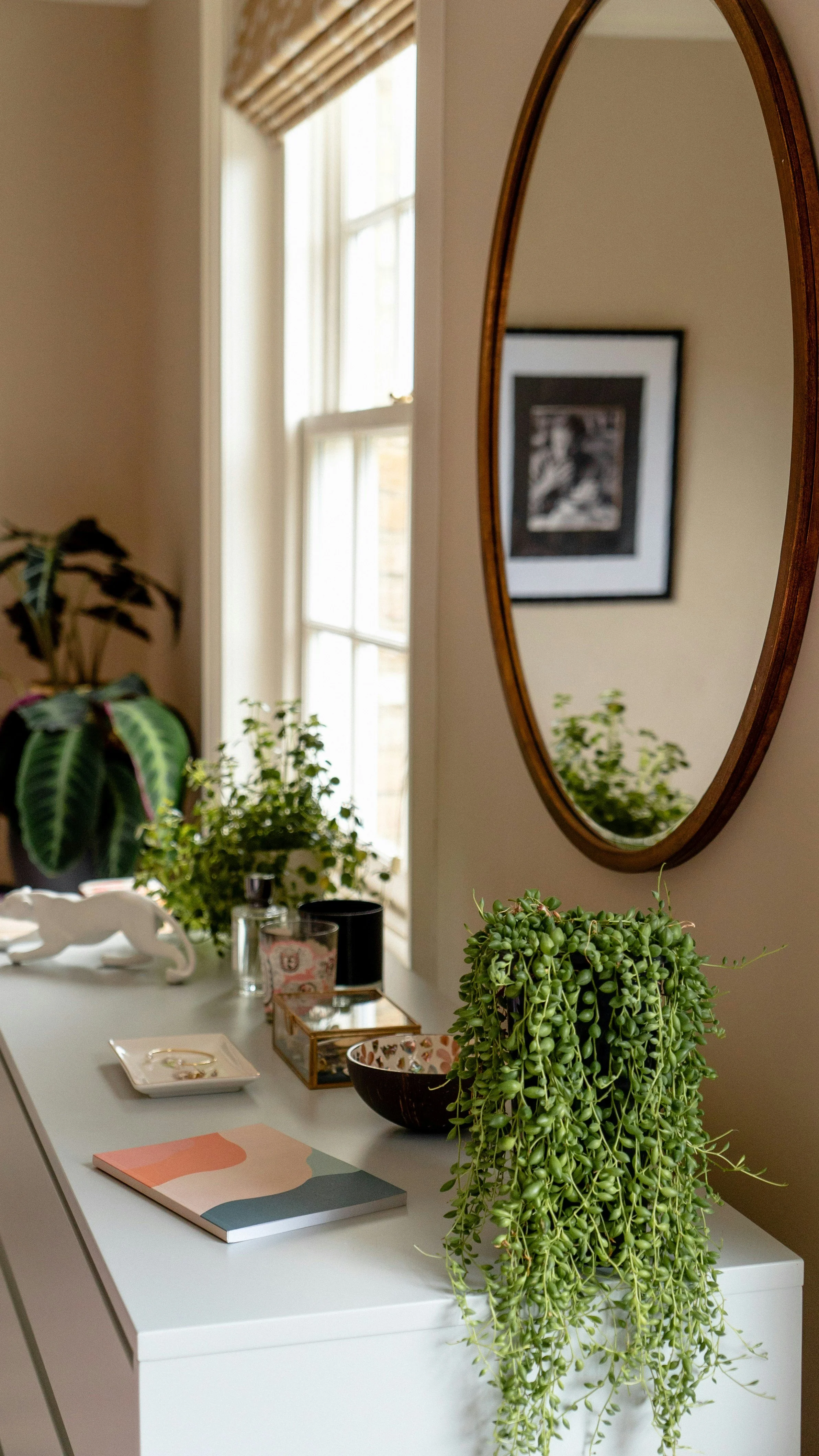
When Your Home No Longer Matches Your Life
Many people live in homes that no longer reflect who they are today. These are experiences from actual clients I have worked with.
One woman avoids entering a particular room because it overwhelms her.
A widow still keeps her late husband’s teaching materials, unsure how to honor them
Another hasn’t invited friends over in nearly ten years, quietly hiding the gap between her home and her public self-image.
These moments are common. They’re signals that reveal where small shifts in intention and support can transform a space and a mindset. The first step is noticing. Pick one small area — a drawer, a shelf, a corner, a room — and ask yourself: “Does this support the life I want to live?”
Clutter tends to be a visual signal of the emotional weight of living in spaces that no longer support us.
Transitions Look Different for Everyone
Life transitions aren’t limited to one age group or life stage, and they aren’t always rooted in crisis. Sometimes they reflect growth, clarity, or the desire to live more intentionally.
Common Transitions for Seniors
Many older adults I work with are navigating changes such as:
Downsizing or rightsizing
Living more independently
Adjusting after the loss of a spouse
Wanting to age in place safely and comfortably
Thriving in later years while pushing back against age-related misconceptions
These transitions are often about creating function and freedom while continuing to live fully.
Common Transitions for Women
I also hear from women who aren’t in crisis, but who feel out of alignment. Their lives may look stable on the outside, yet their homes reflect past versions of themselves or habits that no longer fit. These transitions often include:
Navigating health or energy changes
Living alone for the first time and redefining independence
Entering a personal “rebuild era” without a single dramatic trigger
Wanting a home that reflects who they are now, not who they used to be
The common thread in all these experiences is change, which a home can either nurture or restrict.

A Thought Experiment: What If Nothing Changes?
Take a moment to imagine your life staying exactly as it is now.
The same excess belongings.
The same daily friction.
The same quiet anxiety or avoidance.
Now consider the alternative: choosing to try something different.
What could you gain by putting in the effort for a different outcome?
Are the benefits greater than your fear of starting?
Are they greater than staying exactly where you are today?
For many people, the cost of staying the same outweighs the discomfort of starting.
You Don’t Have to Feel Ready to Begin
I didn’t feel ready when I transitioned out of caregiving — a role I loved deeply, but one that weighed heavily on me over time. I knew I wanted to continue supporting people in living healthier, more meaningful lives, but I didn’t yet know what that would look like. I moved forward anyway, one step at a time, with guidance from mentors and peers.
One of the biggest myths around change is that we need to feel “ready” before we start. In reality, readiness often comes after we take the first step. We take the first step because staying where we are feels heavier than trying something new.

A Home That Gives You Strength
Your home shouldn’t be something you have to fight. It should give you strength, especially during times of transition.
When your space supports your routines, energy levels, and values, it becomes a place that anchors you when life feels uncertain. Organizing is about creating conditions that allow you to show up more fully for your life.
How Organizing Supports Meaningful Transitions
The work I do is guided by the KonMari Method®, which offers a thoughtful, structured approach to change. Rather than focusing on quick fixes or surface-level systems, it centers on decision-making and alignment with what matters most.
As clients evaluate their belongings one by one, they begin to strengthen an often-overlooked skill: trusting themselves. Each decision builds confidence, clarity, and momentum — not just in the home, but in other areas of life as well.
These shifts tend to happen quietly over time. A client tells me that his home feels more peaceful and that he hadn’t realized how much clutter he was living with because he spent so much time in his thoughts. Another falls in love with how much less cluttered her space is and learns to keep it that way, feeling much better now.
You Don’t Have to Do This Alone
Seeking support acknowledges that meaningful change doesn’t have to be done alone. I often see people — especially women and older adults — try to manage everything themselves out of a desire not to burden others. Over time, this can lead to burnout and isolation. With guidance and support, that energy can be redirected toward other parts of life.
