
The Hidden Costs of Backstock
I was working with a client when, as we cleared out her pantry, we found enough extra canned and packaged goods to feed a small football team. I’ve spent hours helping clients sort through unopened and expired items buried in the backs of cabinets, stuffed into hallway closets, or hidden under bathroom sinks. Many of us have been here.
People keep extra items in their homes for different reasons — out of fear, habit, or the instinct to keep a reserve for a sense of security — but the result is a home that functions more like a warehouse than a sanctuary.
And isn’t it ironic? We buy in bulk to save time and money, yet those items often expire before we get around to using them. They take up precious square footage in our homes and consume even more of our time when we declutter them. Although they were perfectly functional at one point, they ended up in the landfill.
Witnessing this cycle of waste is why I want to share a concept called just-in-time inventory: the simple idea of buying items only when you are about to run out of them, rather than storing them for a hypothetical future.
Understanding the Backstock Mentality
We have been conditioned to believe that having a backup for everything is the hallmark of a responsible home and a responsible adult. But when we turn our homes into storage units for hypothetical scenarios, we lose the ability to see what we actually have.
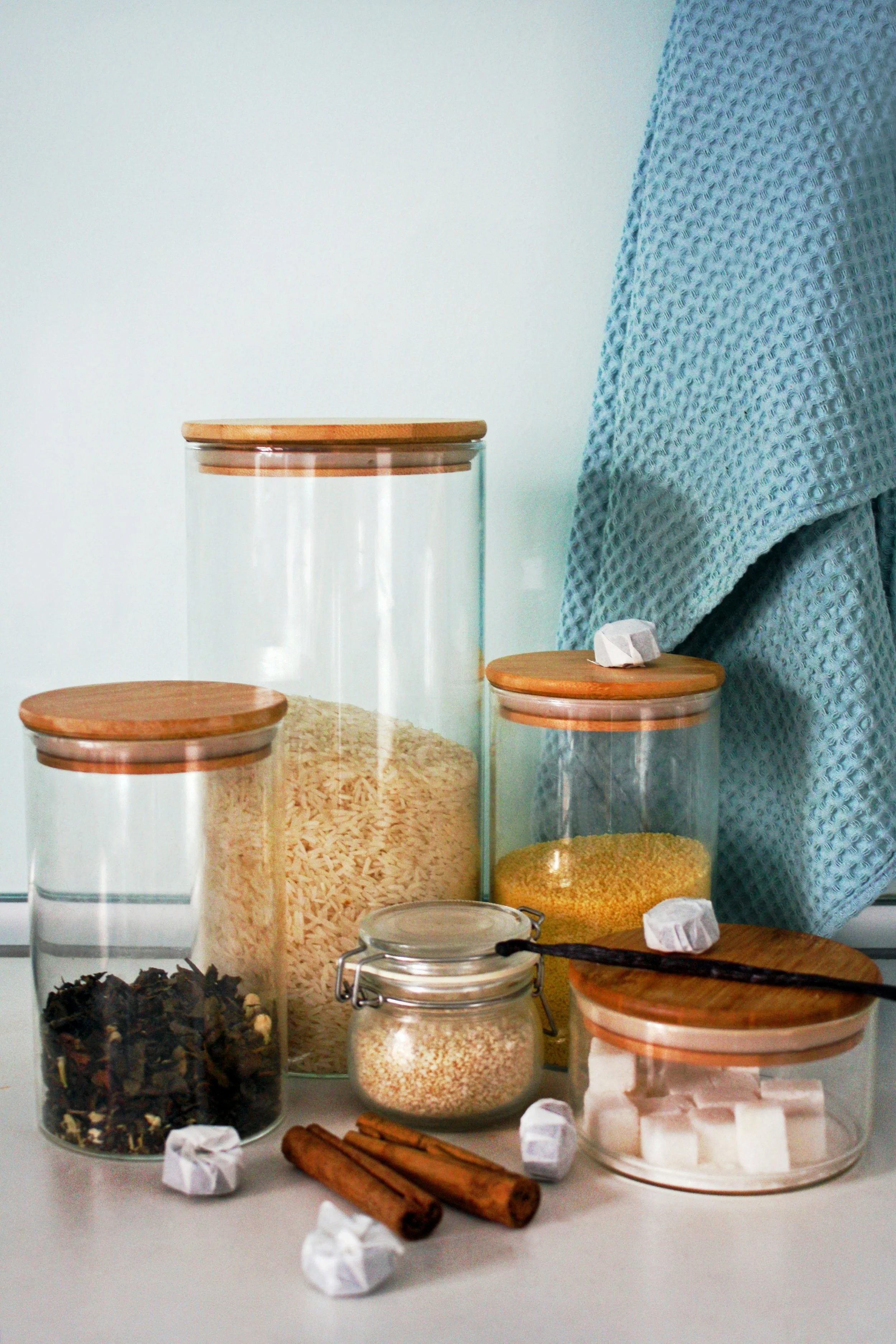
Why do we feel the need to stockpile twelve bottles of shampoo or a year’s supply of pasta? For some, it’s about feeling secure. For others, it’s purely practical — living far from stores, saving money by buying in bulk, or clearing those items from their mental to-do list for months.
However, there is a difference between having just enough and overaccumulation. I often hear clients explain their accumulation with the same three words: just in case. They buy items "just in case I run out" or "just in case I may need it later." This mindset is often driven by fear, the worry that they won’t be able to provide for themselves or be prepared for a specific situation.
Putting This Into Practice
To change how you consume and organize backstock, you must first reflect on why you stockpile and evaluate your current habits. Then, take an honest look at your actual needs. Waste occurs when we lose the connection between our consumption and our purchasing habits. We buy based on what we think we might need rather than on what we actually use.
To start practicing, consider the following:
Use what you have: Before buying something new, look at what you already own. Often, an item you already have can do the same job as the one you are planning to buy. Commit to using up what is already in your home before bringing anything new into the space.
Prioritize visibility: Store items where they are easy to see and reach. Avoid shoving items into the back of cabinets or stacking them so high that you lose track of your inventory.
Use the store restock method: Whenever you bring home a new item, move your existing stock to the front. This helps you use your older items before opening the new ones. Keeping like items together in one place ensures you always know your true inventory at a glance.
Simplify expiration dates: Manufacturers often make these dates hard to read. Use a thick marker or a label to write the date in large, bold numbers directly on the bottle or package so you can easily spot which to use first.
Track your actual usage: Start and keep a list of your consumption on your phone, in a notebook, or by another method. For example, list the product and its size, the date you started using it, and the date you finished it.
Keep a shopping list: When you notice you are running low on an item, add it to your list and buy only the amount you need, based on your actual usage. This takes the guesswork out of your next shopping trip, whether you are in the store or ordering online.
Resist the impulse to overbuy: Whether it is a sale or the appeal of bulk pricing, buying more than you can reasonably use rarely saves you as much money as you think. Buying convenience often costs us more in the long run — not just in dollars, but in the precious space it takes up in our homes. When you feel that familiar urge to buy extra, ask yourself: Is this for my current life, or am I falling into an old pattern and buying for a hypothetical future? It is helpful to consider how your money could be better spent.
Commonly Overpurchased Items
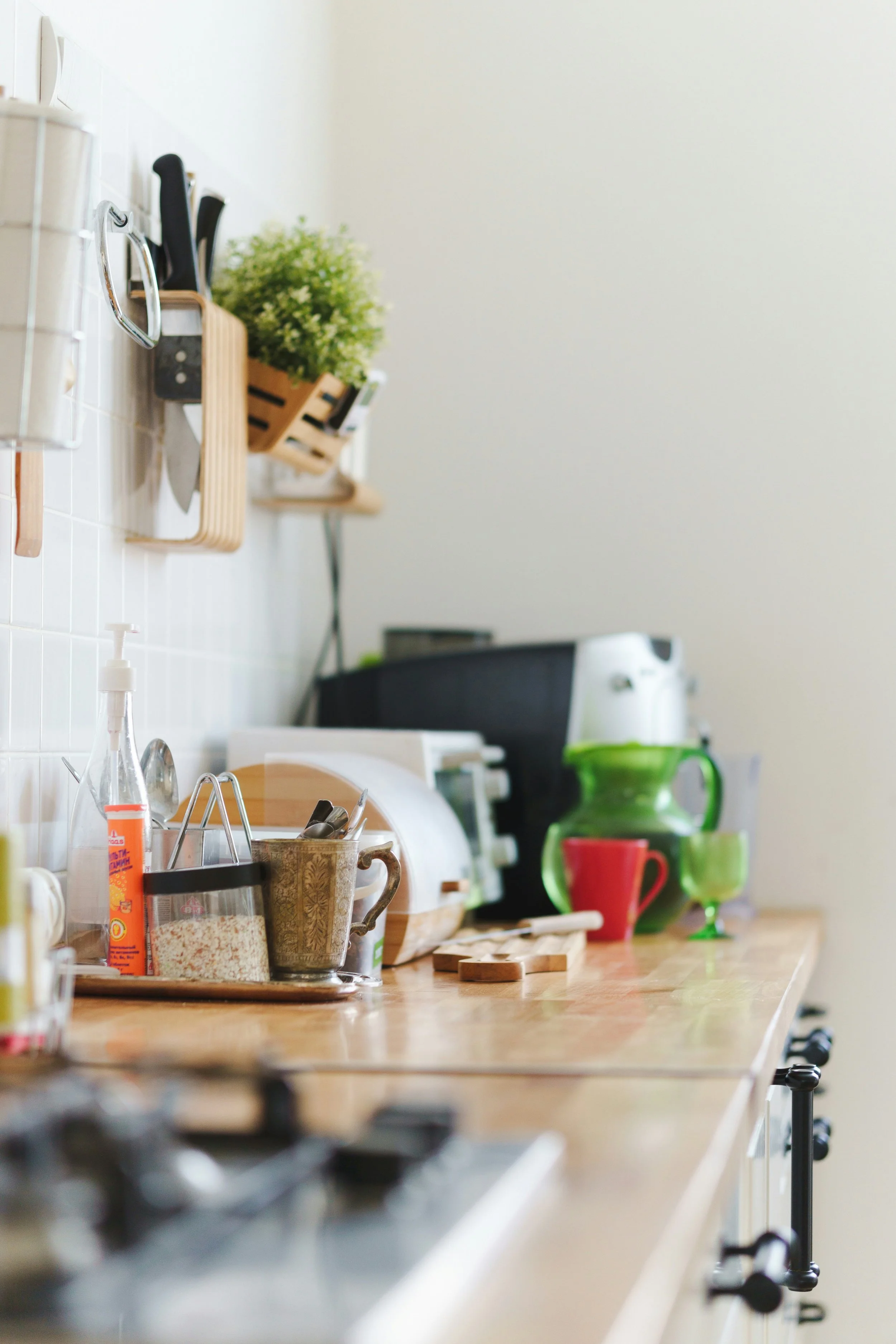
I see these items in excess in almost every home I work in. They reflect current consumer habits and common worries that prioritize buying more than we need.
Bulk consumables: toilet paper, paper towels, and cleaning supplies. Because these do not expire, it is easy to justify buying in bulk, but they often end up buried in closets, taking up space you could use for more active items.
Pantry staples: Canned goods, non-perishables, pasta, and dry spices. We often buy them because they are on sale or because we have a specific recipe in mind that we never actually get around to making.
Personal care products: Shampoo, body wash, and lotions. People often buy these long before finishing their current bottles, creating a surplus that sits unused for months.
Duplicates of what you already own: These accumulate when you forget what you have, lose track of it, or store it with other household clutter. This is why it is important for everything to have a home.
***
As a gentle reminder, becoming more organized is possible with practice, so keep that in mind when trying something new. Adopting a just-in-time approach will make you more mindful of your habits and spending, more aware of what you already own, and more conscious of your environmental impact. It saves time and money while reclaiming space in your home. This is what it means to live intentionally.
