
Reflections from Japan (Part One)
In my previous post, Letter to My Future Clients, I promised to share the details of my journey once I returned. I spent one week in Japan for the 2026 KonMari Retreat, where I joined other certified consultants from around the world to immerse ourselves in the inspiration behind Marie Kondo's KonMari Method of home organizing.
Our trip was guided by her latest book, Letter from Japan, and featured immersive activities planned by Marie and her husband, Takumi. The principles we explored shaped how I think about daily routines and our spaces. These six core cultural themes will be covered in two blog posts:
Cherish: Mederu
Perfect: Kiwameru
Consider: Kizakau
Savor: Ajiwau
Purify: Kiyomeru
Harmonize: Chouwa-saseru
For each one, I’ll share a note from the KonMari journal we each received, a personal anecdote from the trip, and a practical shift you can consider for your home. Let’s dive into the first three.
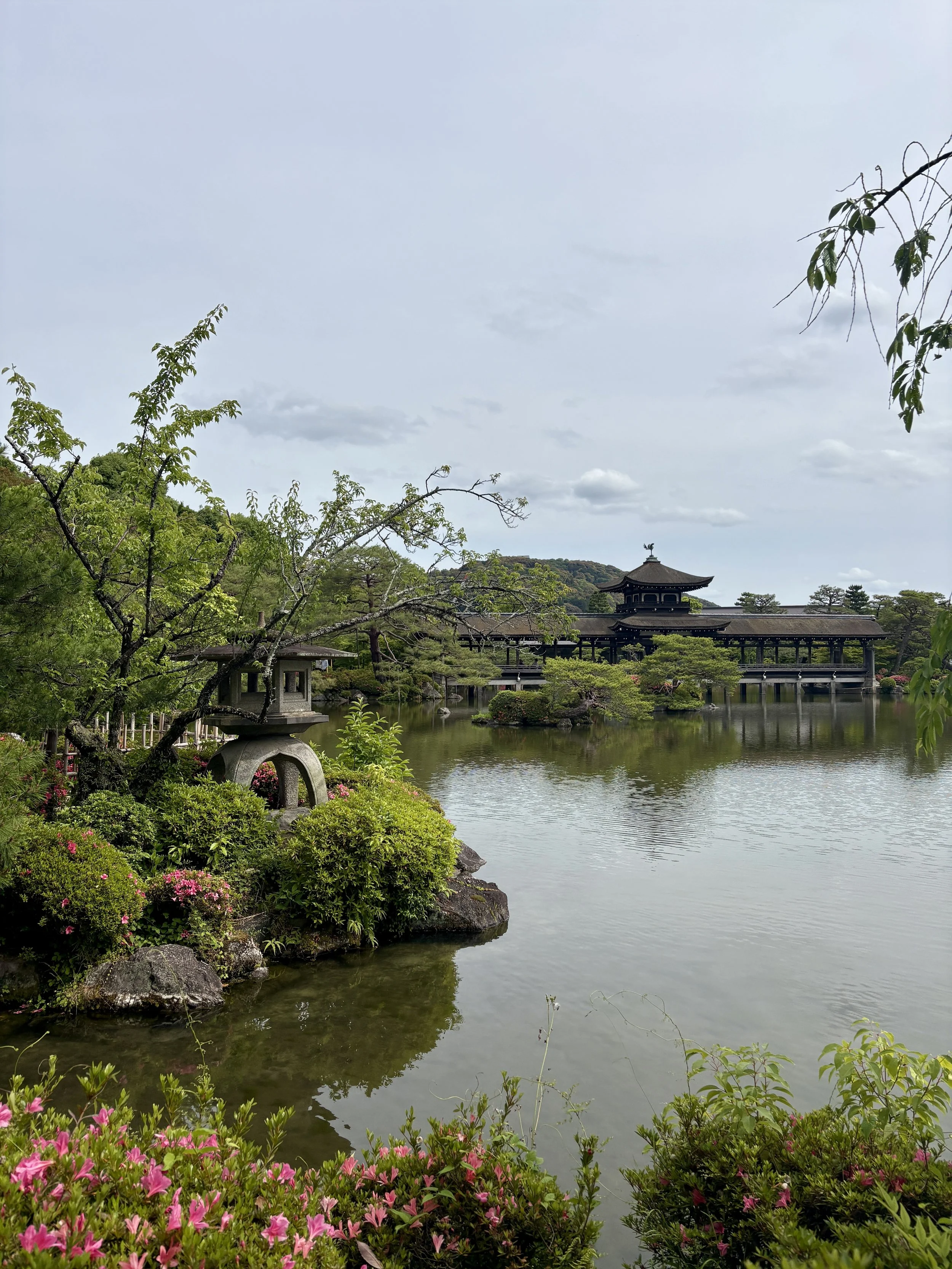
Cherish: Mederu
Wabi-sabi is to find beauty in imperfection, transience, and the natural aging process — not a single thing in this world is eternal.
Mederu is the practice of warmly cherishing and appreciating people, experiences, and objects with deep affection. It is a reminder that our things do more than serve a utilitarian purpose; they carry energy and a connection to our lives. When we shift our perspective from simply owning items to actively appreciating them, we change our relationship with our physical environment and foster gratitude for the objects that support us and bring us joy every day.
The Memory from Japan
My appreciation for this concept came to life when I participated in a workshop with Taku Nakano, a well-known kintsugi artist, the very person Marie took a workshop with and discusses in her book. Kintsugi is the traditional Japanese art of repairing broken pottery with lacquer dusted with powdered gold, celebrating the object's history rather than hiding its flaws.
During the workshop, I learned to repair a broken plate in two hours. Even though Mr. Nakano offered detailed instructions and came over to help me multiple times, I worried about not doing it "right" and ruining this art piece. His reminder that imperfections make it more beautiful helped me let go of some of my perfectionist tendencies. It's ironic, isn't it? Worrying about being perfect during a workshop entirely about imperfection.
The process taught me a profound lesson about craft culture. I realized that true value comes from the story of craft, culture, and care infused into an object.
Practicing at Home
Instead of filling your home just to fill empty space, try shifting your focus to items that spark joy and make you feel good. Look at your belongings through the lens of mederu by choosing to display a select few objects that truly elevate your space. This could be a piece of handmade ceramic, an heirloom vase with fresh flowers, or a meaningful gift from a loved one. These don't have to fit a rigid design standard. They can be whimsical or even quizzical, but for some reason, they completely light you up. By giving these unique focal pieces room to breathe, you honor the craftsmanship and story behind them, turning your home into a living gallery of items you genuinely cherish.

Perfect: Kiwameru
An ordinary scene from daily life in Japan can become elevated to a realm of mastery, or perfection, if we notice it.
In her book, Marie explores kiwameru through the lens of the traditional Japanese tea ceremony. While we usually think of perfection as a flawless standard, this cultural concept reframes it as mastery through dedicated practice. It is about paying closer attention to our routines and the things we own. When we approach ordinary chores and habits with heightened mindfulness, care, and precision, they naturally become rituals to look forward to. They can help give us a sense of peace in a stimulating, fast-paced world. When we are intentional about the items we choose to keep in our homes, those items can also contribute to peace.
The Memory from Japan
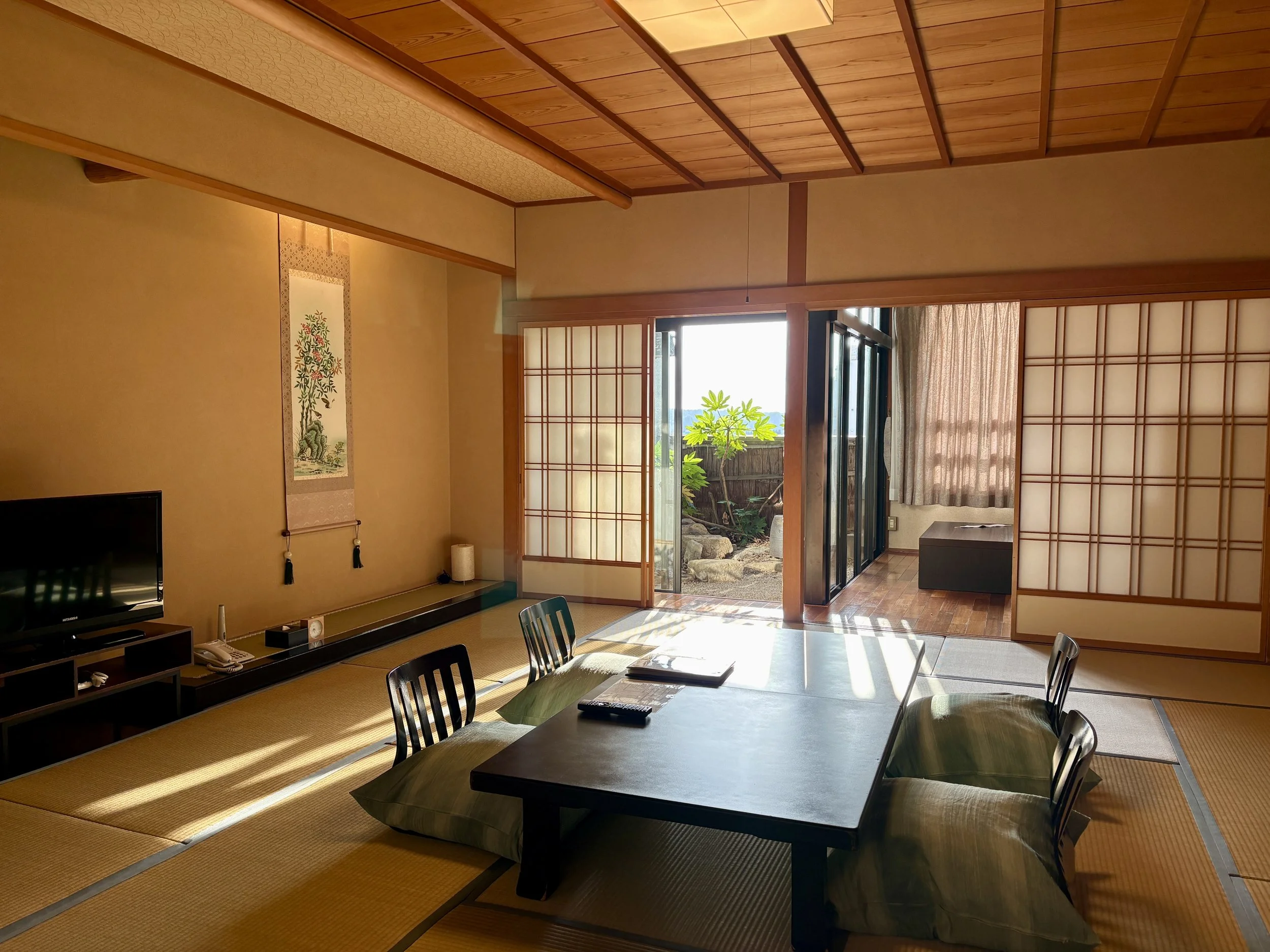
My favorite stay of the trip was at a ryokan, a traditional Japanese inn, tucked away in the historic hot-spring resort town of Yamashiro Onsen. The moment I arrived, the transition from travel to calm was immediate. At the threshold, indoor slippers were waiting, placed just so. I slipped off my outdoor shoes, stepped into them, and slid open the paper screens to reveal a room that embodied the very definition of Japanese calm, simplicity, and warmth.
There was no excess home decor or clutter filling the room. Instead, the beauty was embedded in the architecture itself. The clean lines of the warm wood, the aromatic scent of tatami mats, low floor seating, soft overhead lighting, and a single, intentional art scroll. Another set of screens led the eye to a quiet outdoor seating area. Because the room relied on seamless built-in storage to tuck away everything utilitarian, the space as a whole created a sense of peace. That warmth doesn't come from filling a room with objects; it comes from the intention behind choosing items thoughtfully and from the space's design.
Practicing at Home
When we feel our homes lack warmth or completeness, our Western instinct is almost always to add more: a new side table, a trendy basket, or decorative knick-knacks to fill an empty area. But as we see in traditional Japanese spaces, true aesthetic mastery and peace come from subtraction, not addition.
Try challenging the habit of buying retail storage bins or extra decor to "fix" a room. Instead, look at your space's existing architecture. Clear your main surfaces and let your home's clean lines breathe. By using your built-in cupboards or closets to keep daily visual noise mostly out of sight, you allow the room itself and a select few special items to become the true focal point. Warmth is a feeling you create when you find a home for your belongings and give your mind and eyes a quiet place to rest.
Consider: Kizakau
Observe considerate gestures throughout the day that make you feel seen, valued, and cared for.
Kizakau is the practice of cultivating awareness of the subtle ways we are supported by the people, spaces, and objects around us. It is a shift in perspective that moves us away from what we lack and toward the acts of care shown in our daily lives. By recognizing these thoughtful details, we learn to bring the same spirit of consideration to how we treat our environments and the people we share them with.
The Memory from Japan
One of the most important takeaways from my time in Japan was the thoughtful gestures people offered in every interaction. This hospitality, known as omotenashi, is a deeply ingrained part of Japanese culture. It made me feel incredibly cared for and helped me understand how much easier and more seamless daily life becomes when it is supported by genuine care. I experienced this every day: the moment I sat down at the dining table, a damp, warm oshibori towel was offered to gently cleanse my hands before the meal began. Throughout my stays at different lodgings, I noticed that items were placed exactly where my hand naturally wanted to reach them, before I even realized I needed them.
Practicing at Home
Organizing is often thought of as just decluttering and making the home look nice. However, I consider organizing an act of deep consideration for your future self and for those you share a space with — a practice that extends far beyond the home. It may look like designing your entryway with a dedicated, beautiful spot to set your things so you aren't scrambling the next morning. Or it may look like packing your suitcase with just the essentials, intentionally removing excess to make travel smoother. When you set up your physical environment to anticipate your needs, you are practicing kizakau, allowing your space to care for you in return.
In Marie’s note in the journal we each received, she wrote, “I know that you will return home with something new and beautiful within you.” For me, this took the form of reflections I can consider for my personal life and tidying work. Part Two will be published soon, so please look forward to it.
